
أخرى
…
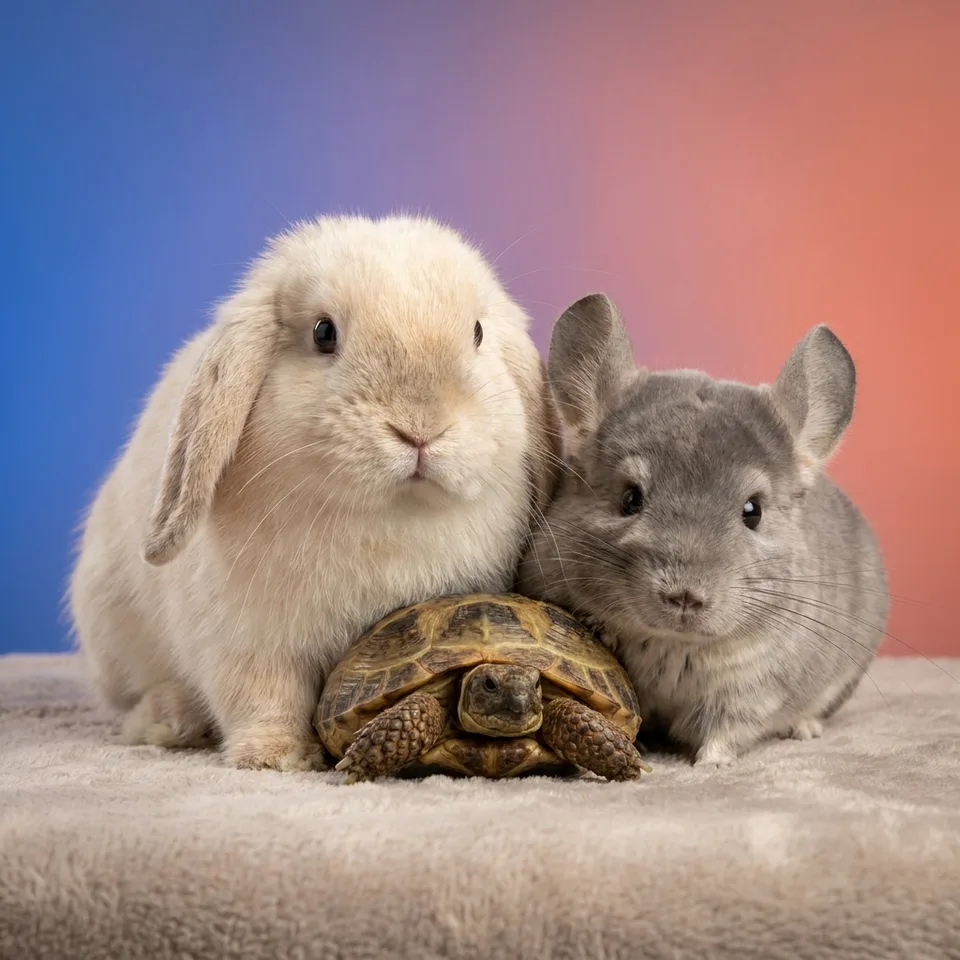
The 'everything else' of the pet world: miniature farm animals, invertebrates and the gloriously unclassifiable. These are often the most rewarding and the most research-intensive companions, because pet-shop advice runs thin — the pygmy goat is a herd animal that needs a goat friend and climbing furniture, the alpaca is a livestock animal with livestock regulations, and the 'easy' hermit crab actually needs deep substrate, two water pools and spare shells. Before falling for an exotic, check three things honestly: legality where you live (permits vary widely), a vet within reach who will actually treat the species, and the adult reality of size, lifespan and social needs. Done right, this category holds some of the most fascinating animal-keeping there is — tarantulas that live twenty years, stick insects that vanish in plain sight, and pigs that learn their names faster than most dogs. The pattern is always the same: the less common the animal, the harder every part of it gets. Reliable information thins out and is replaced by forum folklore. The correct food may have to be cultured, imported or grown. And the vet gets hardest of all — most clinics will politely tell you they cannot treat your animal, and finding that out at nine on a Sunday night, with a sick animal in a box, is the worst possible time to learn it. So do it in this order. Research the adult animal — its full grown size, its real lifespan, whether it needs company of its own kind, what it actually eats — not the appealing juvenile in the photograph. Find a vet who will treat that species and confirm it before you acquire the animal, not after. Check what your local law allows, because exotic, wildlife and livestock rules vary enormously between countries and even cities. Then buy from a rescue or a genuinely captive-bred source; wild-caught animals arrive stressed and parasitised, many die young, and the trade in them does real harm. And use other keepers. For a rare species, the handful of people who have actually kept one to old age are the only real source of experience there is — the care sheet you found online was probably copied from another care sheet by someone who never owned the animal. Post in the community, find the people with your species, and ask them what went wrong for them. For an animal nobody in your city has ever seen, that network is your husbandry manual, your second opinion and sometimes your emergency contact.